Build the map, summon your creatures, and carve out a realm — before your rivals carve out yours.
Setting up
Your turn
Each turn grants 3 actions. Spells and abilities are free — they cost neither gold nor actions — though abilities activate only once unless stated. When your actions are spent, announce the end of your turn.
Safety net: end a turn with no creature on the board and you receive 1 gold.
The five actions
The art of conquest
Core Mechanics
Summoning
Summoning requires both a creature card and its matching land card. Pay the creature's gold cost, place your land card on its tile in your orientation, and set the creature on top. Each land card summons only once — afterwards it marks your control of the tile.
Claiming land
Move onto a tile holding another player's land card and turn it to your orientation — it is yours. Unoccupied land is there for the taking, so defend what you claim.
Harvesting
Spend an action to harvest gold equal to the value on a land tile your creature occupies. A creature may harvest several tiles in a turn, but each tile yields only once per turn.
Battle
Both sides roll a six-sided die and add their strength modifier. Win by 4 or more and the enemy is destroyed. Win by less and the defender must retreat to an adjacent unoccupied tile beyond the attacker's reach — with nowhere to run, they fall, and the attacker claims the vacated tile.
Nine realms
Biome Synergies
Every creature and every land belongs to a biome. Match the land and be buffed; mismatch it and be debuffed. Consult the chart whenever a creature interacts with a new land tile.
Desert
Match — ConditionedGain one gold when your creature enters or leaves.
Mismatch — ScortchedLose one gold when your creature enters or leaves.
Forest
Match — HiddenGain +2 strength when defending.
Mismatch — TangledYour creature can not enter and leave this biome on the same turn.
Tundra
Match — Acclimatized+2 strength.
Mismatch — Frostbitten−2 strength.
Plains
Match — RangedAttack creatures from an additional tile away; on success, move into the new tile without changing ownership of the skipped tile.
Mismatch — Exposed−1 to all rolls.
Mountains
Match — Resourceful+2 gold when harvested.
Mismatch — IsolatedSpells and abilities that directly affect this creature do not work.
Town
Match — Negotiator+2 gold for each adjacent allied creature, −1 gold for each adjacent enemy creature when harvested.
Mismatch — Haggled+1 gold for each adjacent allied creature and −2 gold for each adjacent enemy creature when harvested.
Swamp
Match — EvolvedCompletely skip swamp tiles for 1 action; only costs 1 action to move into or out of.
Mismatch — StuckCosts 2 actions to move into or out of.
Ocean
Match — LuckyWhen you enter, roll a die — on a 6, gain 4 gold.
Mismatch — UnluckyWhen you enter, roll a die — on a 1, discard two non-land cards from your hand.
Cave
Match — NocturnalA creature can navigate out of a cave in any direction.
Mismatch — TrappedA creature may only exit this tile from the direction they entered; spells and abilities are not affected by this restriction.
Biome movement restrictions apply to battle retreats too: a defender that cannot legally leave its biome is destroyed, even with open tiles nearby — unless the biome simply costs extra actions to cross.
Ten lineages
Creature Types
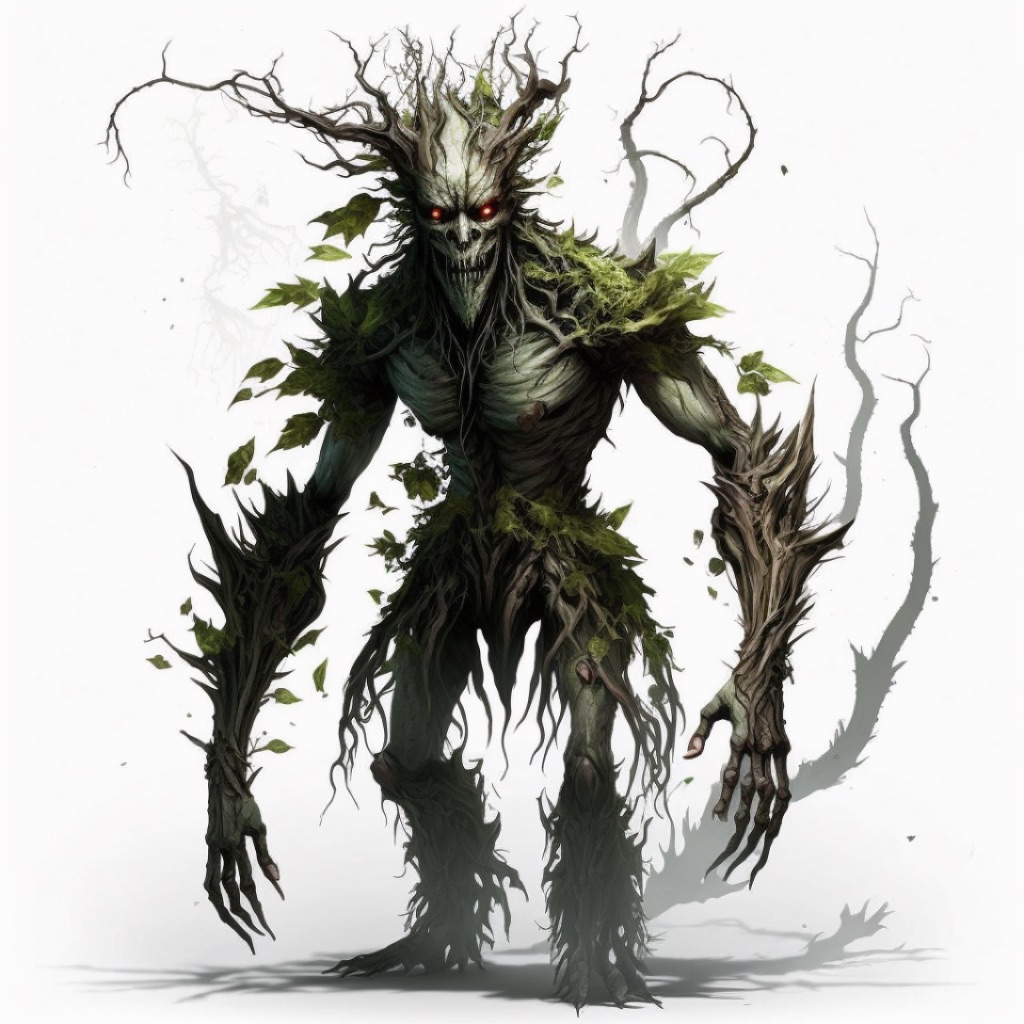
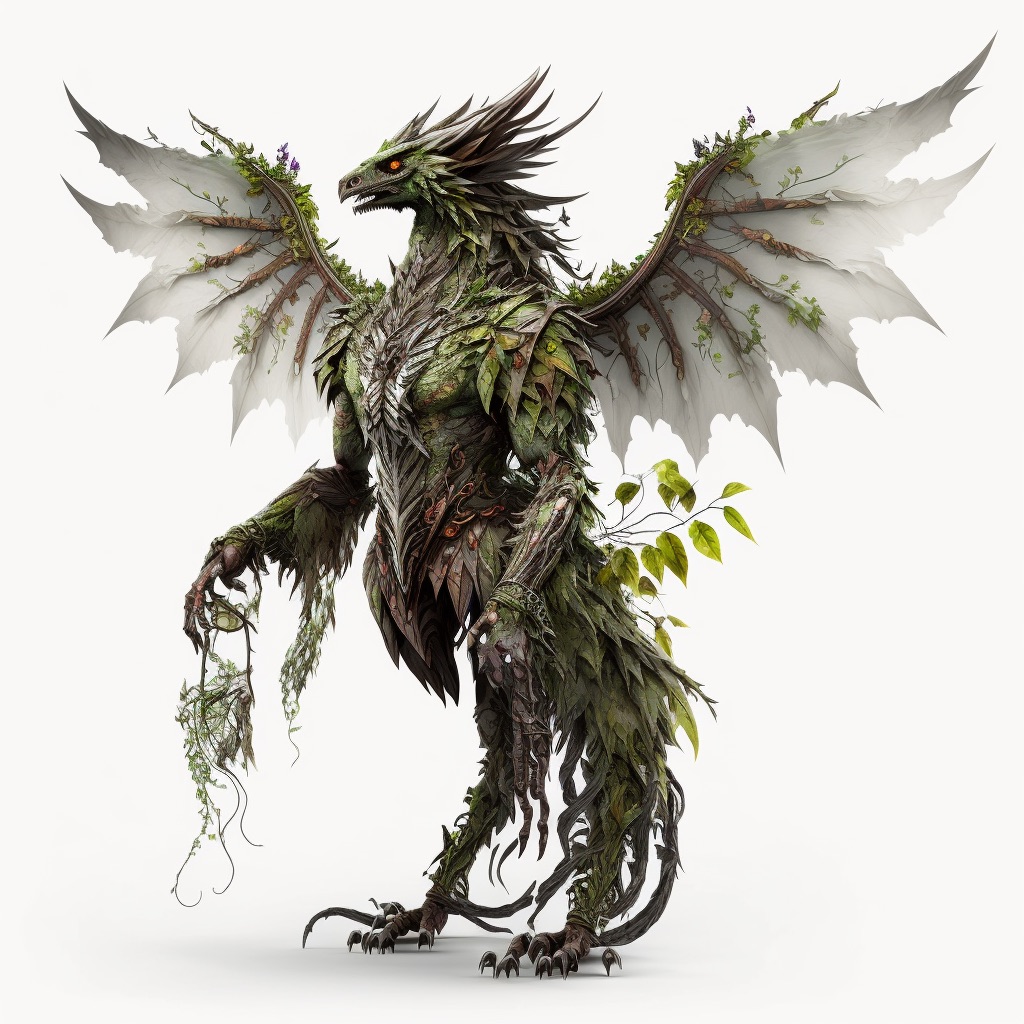
From angelic hosts to risen undead — every creature bears a type, a biome, a strength modifier and, for some, a lightning-bolt reaction.
Angel
Demon
Dragon
Dwarf
Elemental
Elite
Orc
Mermaid
Giant
Undead
The path to victory
Control the realm
Before the first tile is placed, agree on the size of a winning realm: 3–7 connected land tiles. Fewer tiles make quick skirmishes; more tiles make long campaigns.
“I am in check.”
Complete your chain, announce it at the end of your turn, and hold it until your next turn begins — the realm is yours.
Rule of thumb: eight minus the number of players.
The artefacts
Reading the cards
Every artefact is a small system of signs. Learn to read them once, and the whole board speaks. These cards are rendered by code from the game's master data — the very designs bound for the print run.
The creature card
White-backed. Your agents on the board — summoned with gold, a matching land card, and a free tile.
01.Opponent index — the mirrored strip on the top edge: strength and ability name, readable from across the table.
02.Summoning cost — the ₲ mark and numeral, top right. Paid when the creature enters play.
03.Native biome — the medallion, top left, the same seal as the biome reference above. On matching tiles the creature gains its biome's buff; elsewhere it suffers the debuff.
04.Orientation chevrons — six gold chevrons stacked beside the art point the way the card faces; struck in gold foil in print.
05.Ability — the rules panel. Usable once per turn, free of actions.
06.Reaction shield — a golden shield below the chevrons means the ability can answer another player's move.
07.Strength — the crossed swords and gold numeral with the ability name, centered in a gold-ringed pill at the bottom, set exactly like the mirrored pill above, just upright. Add a die roll to it in every battle.
08.Creature type — the class medallion set into the art, bottom right, matching the creature gallery emblems. Dragon, Orc, Elite, Undead, Elemental, Angel, Demon, Giant, Mermaid or Dwarf.
The spell card
Black-backed. Held in hand, played for one gold — no action required.
01.Mirrored name — the top edge reads from across the table, so opponents see what was cast.
02.Cost — the ₲ mark and numeral, top right. Every spell costs a single gold.
03.Spell mark — the flask glyph, top left, in the same vector language as the biome marks. The sign of a spell.
04.Reaction shield — when present, the spell may be cast in response to another player's action.
05.Effect — the rules panel, bottom center. What the spell does, and when it may be played.
The land card
Black-backed. The deed to a tile — and the seat of every summoning.
01.Mirrored biome — the top edge names the biome, readable from across the table.
02.Harvest yield — the ₲ mark and numeral, top right. Gold gained when one of your creatures harvests here.
03.Biome — the medallion, top left, the same seal as the reference chart. Pairs the card with its matching tiles on the board.
04.Orientation chevrons — six gold chevrons stacked beside the art point the way the card faces.
05.Match & mismatch — the biome's buff and debuff, bottom panel, repeated upside down above the art so opponents read the pairing too. Your creature's biome pairing decides which applies.
06.Land image — the terrain portrait. On the board, the card's orientation marks whose realm it belongs to.
The land tile
Hexagonal. Thirty-six of them become the board — a different realm every game.
01.Biome marker — which of the nine biomes this tile belongs to.
02.Harvest yield — the ₲ mark and numeral in a hexagon chip matching the biome marker, set apart by an inner frame line. Gold this tile grants per harvest.
03.Land image — full-bleed terrain art; the biome at a glance.
04.Three-way symmetry — the marker pair repeats on alternating edges, equally spaced around the hex.
Two decks — creatures in one, land and spells in the other. Draw from either and see.